Utility, Phone & Internet Help › Guide
Free Home Energy Upgrades Through Weatherization
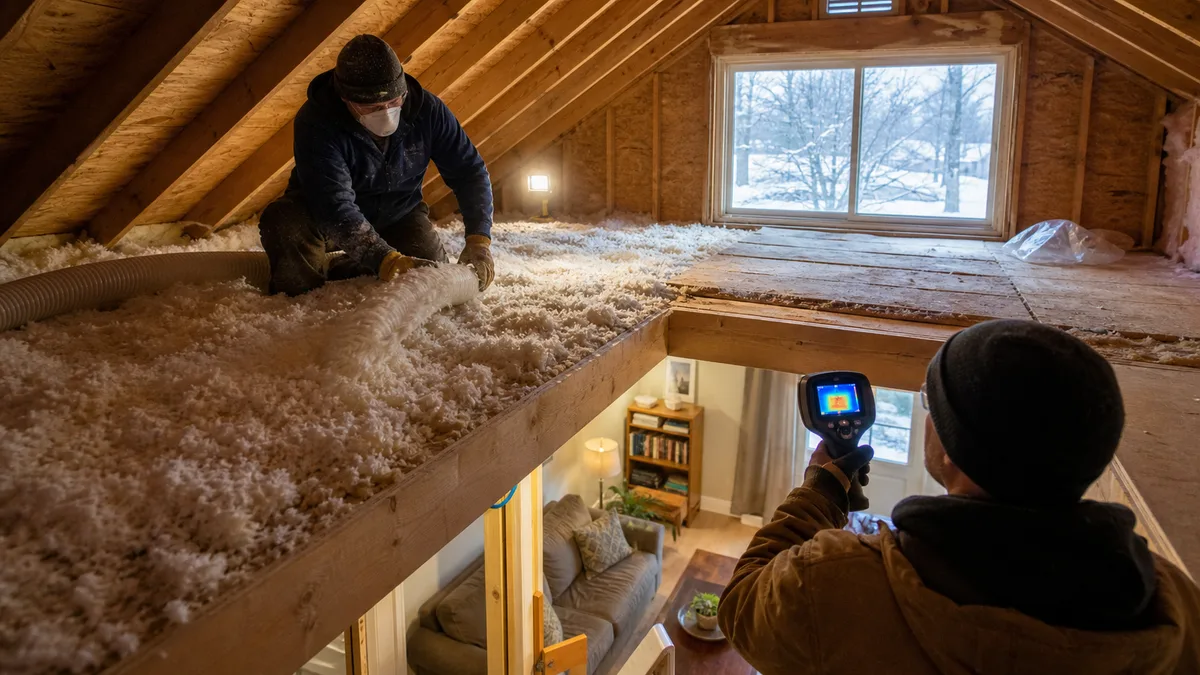
The Weatherization Assistance Program, or WAP, can pay for home work that cuts energy use and makes a home safer. It may cover insulation, air sealing, and heating system work.
Owners and renters can apply. The program is free, but local funds and wait times vary. DOE says its funds weatherize about 32,000 homes a year.
What does weatherization pay for?
A trained energy auditor first checks the whole home. The check looks at your energy bills and all heating and cooling gear. It also uses a fan test to find air leaks. The local agency then picks the work that should save the most energy or fix a safety risk. Work may include:
- Attic, wall, floor, or pipe insulation
- Sealing cracks that leak air
- Heating or cooling system repair or replacement
- Water heater repair
- Smoke or carbon monoxide alarms
- Some window, door, light, or fridge work
WAP is not a general home repair plan. It may fix small roof or wall leaks before it adds insulation. But it will not pay for a new roof, a room update, or every old window.
How much can a home save?
DOE says homes save $372 or more a year on average after weatherization. That is from a national study. Your savings may be higher or lower.
DOE says WAP has served more than 7.2 million families since 1976.
Who may be eligible for WAP?
Under DOE rules, a home may be eligible when household income is at or below 200% of the federal poverty guidelines. A home that gets SSI also counts as eligible.
A state may also use the LIHEAP income rule of up to 60% of state median income. Your state can set steps within these rules. Use the current local form instead of an old income chart.
Who gets served first?
DOE gives priority to some homes. This includes:
- Older adults
- Families with a member who has a disability
- Families with children
- Homes with high energy use or a high energy burden
Priority is not the same as approval. It can still take time for a crew to reach the home.
Can a renter apply?
Yes. A renter can apply, but the owner must agree before work starts. The local provider will work with you and your landlord to get that OK.
Tell the local agency that you rent when you first call. It can explain which owner form is needed.
What happens after you apply?
- The provider checks your income from the past year.
- If you are eligible, your name goes on a wait list.
- An energy auditor visits and checks the home.
- The auditor lists the work that saves the most for the cost.
- A crew does the work.
- An inspector checks the work and makes sure the equipment runs safely.
Do not hire a contractor because a caller says WAP will pay you back. The local agency must approve the home and work first.
What if the home needs big repairs first?
Insulation will not help much if the roof leaks. So a provider may delay a home until the big problem is fixed. DOE says a delay does not mean help will never come.
Many providers mix in other federal, state, and local funds to fix those problems. A rural owner may also look at our USDA home repair guide.
How do you apply?
Start with the Department of Energy's state weatherization finder. It will point you to your state office. Most states then send you to a local provider.
Gather pay stubs or benefit letters for the past year, a power bill, and facts about everyone in the home. A renter should also have the owner's contact details.
Applying is free. No one can sell a faster place on the list.
What other energy help should you check?
WAP improves the home. LIHEAP can help with a current heat or power bill. A household can use both if it meets each set of rules.
Read our LIHEAP guide. If water is the urgent bill, our water bill guide explains what remains after LIHWAP.
Your next step. The free utility-help guides explain energy and phone assistance and link to official program contacts. All tools →